
Runrig
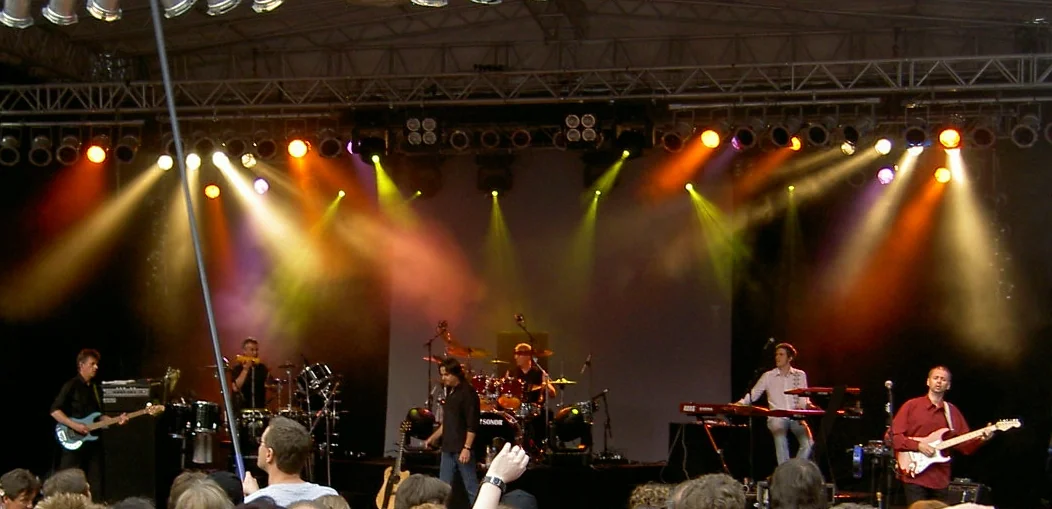
Image from Wikipedia
Image from Wikipedia
Runrig – The Scottish Folk Rock Legend Between Gaelic Pride, Stadium Epic, and Farewell
Runrig: A Band That Has Written Scottish Music History
Runrig was one of the defining Scottish folk-rock bands of the present day, active from 1973 to 2018. Founded by brothers Rory and Calum Macdonald along with Blair Douglas, the group evolved from a regionally rooted project to an internationally respected formation with a distinct artistic identity. Their music combined rock energy with Gaelic lyrics, traditional melodies, and a deep sense of home, landscape, and cultural memory. ([de.wikipedia.org](https://de.wikipedia.org/wiki/Runrig?utm_source=openai))
The Beginnings: From the Highlands to the Stage
The name Runrig refers to the historical system of strip farming in the Highlands and symbolizes the band's close connection to Scottish culture. Early on, the formation focused on self-composed and self-written songs, initially within a milieu of small concerts and local performances. Even at this stage, the central concept of the band became evident: to not manage traditional influences in a museum-like fashion but to translate them into a contemporary, compelling rock language. ([dewiki.de](https://dewiki.de/Lexikon/Runrig?utm_source=openai))
A pivotal step was the expansion of the early lineup to include Donnie Munro as the singer and frontman. With him, Runrig gained a distinctive voice that conveyed the emotional core of their songs and gave the band a clear stage presence early on. The lineup was later changed multiple times; from 1998, Bruce Guthro took over lead vocals and led the band into its later years without diluting the fundamental character of the music. ([de.wikipedia.org](https://de.wikipedia.org/wiki/Runrig?utm_source=openai))
The Breakthrough: Gaelic Rock with Great Gesture
Runrig's artistic breakthrough did not occur in a single pop moment but rather through a consistent stylistic stance. The band combined Gaelic song tradition, Scottish themes, and rocking arrangements into a sound that was both locally grounded and universally understandable beyond the Highlands. AllMusic describes Runrig as a band that merges traditional Scottish folk elements with a hymnic rock approach and is known for its pride in cultural heritage and its infectious energy. ([allmusic.com](https://www.allmusic.com/artist/runrig-mn0000304607?utm_source=openai))
Particularly, the first album Play Gaelic is considered pivotal for the development of modern Gaelic music, as it opened up the possibility of producing contemporary music consistently in this language. Later albums like Heartland, The Cutter and the Clan, Amazing Things, and The Stamping Ground marked the maturation of a sound that was both popular, melodic, and suitable for stadiums. Runrig evolved into a band that understood cultural identity not as a niche but as a grand stage. ([en.wikipedia.org](https://en.wikipedia.org/wiki/Play_Gaelic?utm_source=openai))
Musical Development: Between Folk, Rock, and Gaelic Tradition
The musical development of Runrig follows a clear trajectory: acoustic roots, folkloric narrative, and increasingly confident rock production. Characteristic are broad choruses, hymn-like builds, and arrangements that lend grandeur to the songs without smoothing over their regional origins. Particularly in the later releases, the balance between cultural grounding and mass-appeal form became ever more precise. ([allmusic.com](https://www.allmusic.com/artist/runrig-mn0000304607?utm_source=openai))
In their lyrics, Runrig repeatedly revolves around landscape, history, politics, and people connected to Scotland. This thematic fidelity made the band for many listeners far more than a successful rock group: They became a musical narrative entity that transformed regional identity into a larger, emotional form. This is a crucial part of their cultural impact. ([pages.cs.wisc.edu](https://pages.cs.wisc.edu/~cormick/cs638/datadump1/rock/rock29/Runrig.html?utm_source=openai))
Discography: The Key Albums and Releases
Over the decades, Runrig released a comprehensive discography with more than a dozen studio albums as well as several best-of and live formats. Key milestones include Play Gaelic (1978), The Highland Connection (1979), Heartland (1985), The Cutter and the Clan (1987), Amazing Things (1993), Long Distance: The Best of Runrig (1996), In Search of Angels (1999), The Stamping Ground (2001), Everything You See (2007), 50 Great Songs (2010), and The Story (2016). ([allmusic.com](https://www.allmusic.com/artist/runrig-mn0000304607?utm_source=openai))
The last studio album The Story marked the artistic closure of the band. The official website describes it as a conscious conclusion of a creative journey, a "closing statement" that brought the studio work full circle. In 2018, The Ones That Got Away was also released, a compilation that bundled well-known and overlooked pieces in a more accessible form; this included a new version of "Somewhere" featuring Julie Fowlis as a final greeting to the audience. ([runrig.co.uk](https://www.runrig.co.uk/blog/2017/9/25/runrig-the-last-dance?utm_source=openai))
Chart Successes and Critical Reception
Although Runrig never functioned like classic mainstream pop acts, the band achieved remarkable chart placements and developed a loyal audience over decades. The Scottish Traditional Music Hall of Fame highlights how strongly the group made Gaelic and Scottish culture visible internationally, citing chart successes as well as major concert achievements in Germany, Canada, and Scotland. Official Charts lists Runrig as an independent act with chart history, while chart overviews and discography pages document the presence of numerous albums. ([projects.handsupfortrad.scot](https://projects.handsupfortrad.scot/hall-of-fame/runrig/?utm_source=openai))
Critical voices have often emphasized the unique blend of radio-friendly catchiness, Celtic roots, and stadium-ready dynamics. AllMusic speaks of a "rich, radio-ready blend" of modern Celtic folk and rock, and later receptions place Runrig in the tradition of those bands that could connect regional music with a large popular reach. This very tension between authenticity and accessibility was what made their artistic appeal. ([allmusic.com](https://www.allmusic.com/album/essential-mw0002248687?utm_source=openai))
Cultural Influence: More Than Just a Band
Runrig was never just a rock band but a cultural resonance space for language, memory, and belonging. The Hall of Fame puts it plainly: Few other formations have contributed as much to opening Gaelic and Scottish culture to an international audience. This effect goes far beyond the discography and explains why Runrig holds an almost symbolic status in the collective memory of the Highlands and beyond. ([projects.handsupfortrad.scot](https://projects.handsupfortrad.scot/hall-of-fame/runrig/?utm_source=openai))
Particularly noteworthy is the consistent connection of music and identity. Runrig's songs speak of migration, loss of home, social change, and pride in one's heritage; at the same time, they sound immediate and emotional on large stages, never academic. That is why the band remained vibrant even in their farewell phase: not as a nostalgia product, but as living music history. ([de.wikipedia.org](https://de.wikipedia.org/wiki/Runrig?utm_source=openai))
Voices of the Fans
The response to Runrig has been extraordinarily passionate over the decades. The official website reports overwhelming demand and strong emotional support surrounding the farewell concerts, which impressively illustrates the band's special significance to its fan base. Runrig was for many listeners not just a soundtrack, but a sense of home in musical form. ([runrig.co.uk](https://www.runrig.co.uk/blog/2018/4/24/last-dance-extra-tickets-and-julie-fowlis-announced?utm_source=openai))
The End of an Era and the Lasting Legacy
In 2017, the band announced it would end its career after 45 years and conclude with farewell shows in 2018. This decision felt not like a retreat but like a consciously crafted closing chord: dignified, reflective, and fitting for the history of a formation that always relied on continuity and integrity. The final chapter definitively turned Runrig into a legend of Scottish music. ([runrig.co.uk](https://www.runrig.co.uk/blog/2017/9/25/runrig-the-last-dance?utm_source=openai))
Those who listen to Runrig today encounter a band that understood folk-rock not just as a style but as a cultural narrative form. Their songs carry mountains, coasts, language, and memory within them and still unfold that mix of expansiveness and intimacy that great music is characterized by. That is why Runrig remains exciting: as a bridge between tradition and modernity, as a voice of a country, and as proof that musical identity can develop global resonance. Anyone who has the chance to experience archival material, live recordings, or a tribute concert should take it—Runrig's legacy lives on in every powerful melody. ([allmusic.com](https://www.allmusic.com/artist/runrig-mn0000304607?utm_source=openai))
Official Channels of Runrig:
- Instagram: No official profile found
- Facebook: https://www.facebook.com/Runrigmusic/
- YouTube: https://www.youtube.com/channel/UCt_ZROEo9GQIxIclR82piww
- Spotify: No official profile found
- TikTok: No official profile found
Sources:
- Runrig | Official Website
- Runrig | Official Website – News
- Runrig | Official Website – The Last Dance
- Runrig | Official Website – The Ones That Got Away
- Runrig Official – YouTube
- Runrigmusic – Facebook
- AllMusic – Runrig Biography
- Scottish Traditional Music Hall of Fame – Runrig
- Official Charts – Runrig
- Wikipedia: Runrig