Regional Cuisine & Slow Food in Aschaffenburg
Regional Cuisine & Slow Food in Aschaffenburg: What Gourmets Can Expect in the Coming Months
This overview looks ahead: Which seasonal products are likely to appear on menus, how Slow Food principles can be experienced in Aschaffenburg's culinary scene, and how visits to inns, wine taverns, and restaurants can be sensibly planned in the future.
Seasonal Enjoyment: A Culinary Calendar for the Next Season
Throughout the year, weekly and seasonal offers are expected to repeatedly appear in Aschaffenburg, oriented toward the regional harvest calendar. Those who want to plan specifically in the future can orient themselves by typical seasonal themes:
- Spring: Asparagus dishes are likely to be back on many menus. Potatoes, herbs, and light sauces as well as suitable, fresh white wines will probably be offered alongside.
- Summer: Light cuisine, salads, vegetable dishes, and mushroom dishes will be offered more frequently, often focusing on quick, fresh preparation and beer garden-friendly dishes.
- Autumn: Game dishes and hearty braised dishes are expected to come more into focus again, especially where kitchens work with regional supply chains.
- Late Autumn & Advent Season: Goose and festive menus are usually organized by pre-order, to allow better planning and reduce food waste.
- Winter (Beginning of the Year): Seasonal fish and fasting offers are likely to be used again as a start to the year, often with a reduced ingredient profile and classic preparation.
Those who return over the coming months will be able to recognize from this rhythm which products typically have their season in Central Europe. This will help to order more consciously (and avoid disappointment) when certain ingredients are not sensibly available outside their natural time.
Old Town, Inn, Wine Tavern: Where Atmosphere Will Shape Flavor
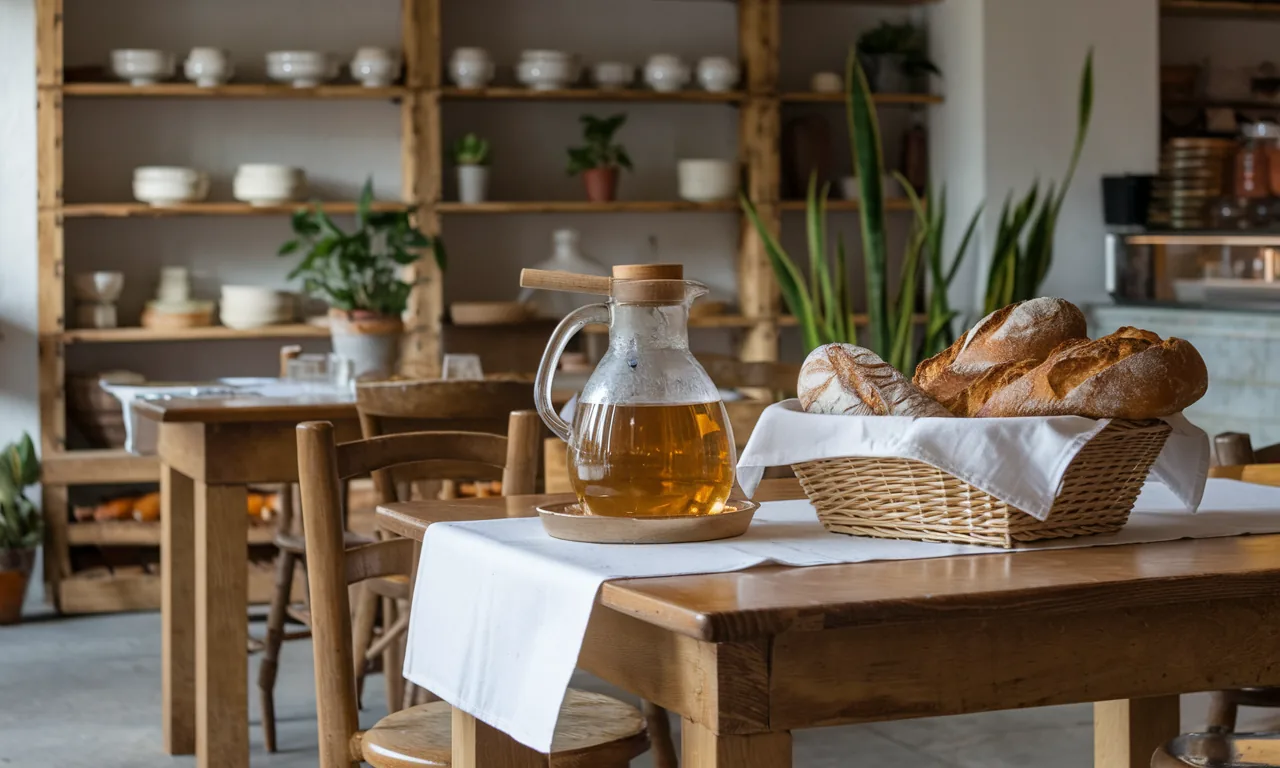
A culinary visit to Aschaffenburg will in the future not only be defined by the food, but also by the places where people will eat. Those who will be out and about near the old town will particularly often experience concepts that combine tradition, conviviality, and uncomplicated cuisine.
In classic inn settings, hearty, familiar dishes will likely continue to dominate, complemented by seasonal accents. In wine taverns, the menu will tend to be small and accompanying, while the interplay of glass and plate will set the tone: snack platters, warm small dishes, and seasonal additions will typically be planned there to match the wine.
Those who value peace, mindfulness, and conscious selection will also increasingly find offers that work with clear portion sizes, manageable ingredient lists, and transparent kitchen processes.
Slow Food in Aschaffenburg: How "good, clean, fair" Will Be Experienced in the Future
Slow Food in Aschaffenburg will mainly be experienced when businesses align their decisions with the well-known guiding principle "good, clean, fair": good taste, clean (i.e., responsible) production, and fair conditions in the value chain. The decisive factor will be less a label and more concrete action in everyday life.
Guests will likely encounter the following features particularly often:
- Origin information for meat, fish, eggs, vegetables, and wine, explained on the menu or by the service team.
- More seasonal menu planning, offering products when they are typically available in the region.
- Craftsmanship instead of convenience, for example through homemade side dishes, self-made sauces, or freshly prepared vegetable sides.
- Less waste, e.g., through smaller, changing menus or pre-orders for special menus.
Those who want to eat with a Slow Food orientation can specifically ask for businesses that openly explain their supply relationships and justify their seasonal decisions. This very transparency will, as experience shows, strengthen trust, because it will make it understandable why a menu changes and why some dishes are deliberately not offered year-round.
Franconian Wine & Food: Combinations Likely to Be Offered More Often
Wine pairings and themed evenings are expected to become even more important in the region, as they make regionality clearly visible. Those who want to combine consciously in the future will often come across these pairings (depending on the style of the house and the specific wine selection):
- Silvaner will often be recommended with asparagus, light sauces, and finer vegetable dishes.
- Riesling will likely often go with fish dishes, sides with acidity, or light starters.
- Burgundy varieties (e.g., Pinot Blanc/Pinot Gris) will often be used as all-rounders for poultry, mushrooms, and creamier components.
- Red wine styles from Franconia will likely be offered especially with braised dishes, game, and more robust sauces.
Those interested in wine will benefit in the future by specifically asking in the restaurant about style and maturation (dry/semi-dry, wood/stainless steel, strong/light). This way, the recommendation in the glass will better match the plate, even if vintage and producer change depending on availability.
Practical Tips: How to Plan a Gourmet Visit in Aschaffenburg
To ensure enjoyment in the coming months, a few simple planning rules will prove effective:
- Making a reservation will be worthwhile, especially on weekends and during seasonal peak times (e.g., asparagus or game season), as menus are often in higher demand then.
- Asking for seasonal recommendations will be the best shortcut in many places: Often the kitchen team will recommend exactly the dishes for which particularly good produce is currently available.
- Pre-ordering special menus will help ensure quality (and reduce food waste), especially for festive offers.
- Indicating allergies and intolerances early will increase the likelihood that alternatives can be planned without diluting the kitchen's concept.
- Using lunch offers will be a good way to get to know new kitchens, as many businesses plan more compactly and accessibly at lunchtime.
Note: This article will provide guidance for conscious enjoyment. Binding information on ingredients, allergens, and origin should always be requested directly from the respective establishment in the future.