
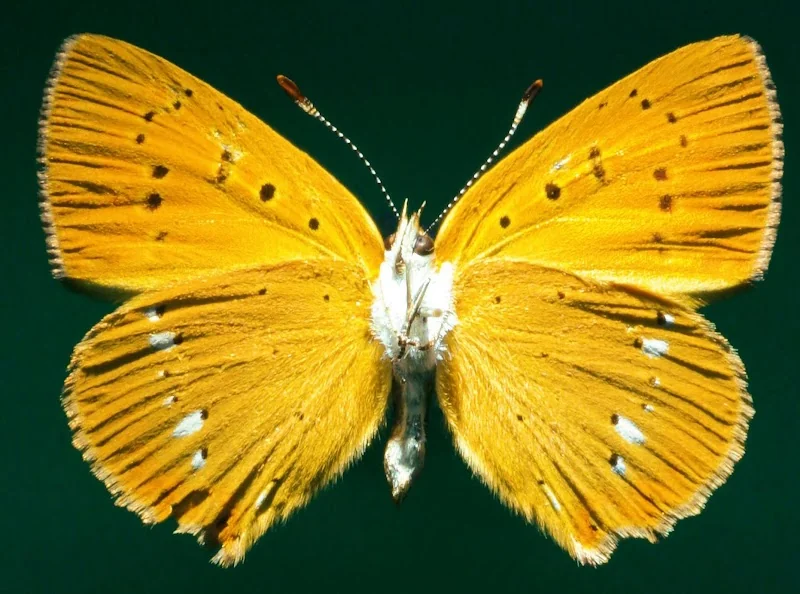
Aschaffenburg
Wermbachstraße 15, 63739 Aschaffenburg, Deutschland
Natural History Museum Aschaffenburg | Photos & Tickets
The Natural History Museum of the city of Aschaffenburg is a place for natural history, collection history, and regional earth and life spaces. It is located in the historic Schönborner Hof at Wermbachstraße 15, right in the city center. This location has made the museum a fixed part of the Aschaffenburg museum landscape for decades: The place is historically significant, the collection is clearly focused on natural history, flora and fauna, geology, and mineralogy, and the municipal museum work connects scientific communication with a very regional perspective on the Spessart and the Untermain. At the same time, an important note for visitors in 2026 is crucial: The city of Aschaffenburg announced on May 4, 2026, that the Natural History Museum will remain closed until further notice starting May 5, 2026. Therefore, anyone looking for opening hours, tickets, photos, or current visiting plans should first assess the official situation before planning a specific visit. The available official information still clearly shows what the museum stands for: natural history collections, a long museum tradition, and a location closely connected to the history of the Schönborner Hof and the development of municipal museums. ([aschaffenburg.de](https://www.aschaffenburg.de/index.php?FID=4173.12208.1&ModID=7&object=tx%2C4173.5.1&topic=1&utm_source=openai))
Current Status: Opening Hours, Closure, and Admission
For those specifically looking for opening hours, the current announcement from the city of Aschaffenburg is the most important basis. Since May 5, 2026, the Natural History Museum has been closed until further notice due to a staff shortage. This information is relevant not only for immediate travel planning but also for search queries such as “today,” “opening hours,” or “closed,” as it temporarily replaces the normal visiting logic. The city also points out in its current announcement that all current information about the museums can be accessed through the municipal museum page. This is important because opening regulations in municipal museums can change at short notice. For editorial context, this means: Anyone creating content about the museum should clearly state the closed status instead of suggesting a regular visit that is currently not possible. ([aschaffenburg.de](https://www.aschaffenburg.de/index.php?FID=4173.12208.1&ModID=7&object=tx%2C4173.5.1&topic=1&utm_source=openai))
Historically, the museum had a clearly structured daily rhythm. The official museum flyer from the city stated regular opening hours of daily from 9 AM to 12 PM and 1 PM to 4 PM, with Wednesdays closed. Although this flyer does not reflect the current operational status, it illustrates how the museum was organized during normal operations. Another important point for ticket-related inquiries is that the flyer indicated free admission. This means that the museum was designed as a freely accessible municipal offering and not as a classic ticket museum with a pronounced pre-sale logic. For the current situation, this information is still useful as it explains why many users are more likely to search for “tickets” or “admission,” even though traditionally it was more about opening hours and free access. Especially for a municipal natural history museum, this is a sensible SEO hint, as the search intention often is: Is the trip worth it, when is it open, and what is the admission price? In the case of Aschaffenburg, the honest answer currently is: The museum is closed, historical admission was free, and current details must be checked before traveling. ([museen-aschaffenburg.de](https://www.museen-aschaffenburg.de/dokumente/MSA_Flyer_2019_web.pdf?utm_source=openai))
Tickets, Reviews & Photos of the Natural History Museum
The search terms around “tickets,” “photos,” and “reviews” clearly show what users are interested in at this location: They want to know what the museum looks like, whether a visit is worthwhile, and if a ticket purchase is necessary. For the Natural History Museum, the answer is particularly simple and typical for a municipal museum: The official flyer communicated free admission. Therefore, ticket ordering was not the focus, but access to the museum itself. This makes the museum appealing and accessible compared to many other leisure offerings. So, if someone searches for “tickets for Natural History Museum Museums of the City of Aschaffenburg,” the factual classification is: traditionally free admission, but currently no visiting opportunity due to the temporary closure. This clarity also helps with content structure as it takes the search intention seriously without promising something that is currently unavailable. ([museen-aschaffenburg.de](https://www.museen-aschaffenburg.de/dokumente/MSA_Flyer_2019_web.pdf))
For photos and visual impressions, the official museum portals provide a reliable entry point. On the Museums-in-Bavaria pages, the Natural History Museum is documented with images from the Schönborner Hof and from the collection, including motifs from the butterfly collection and from the exhibition itself. Such images are particularly valuable for SEO because they show the content DNA of the museum: natural history instead of event backdrop, collection instead of show, scientific presentation instead of mere decoration. The municipal museum brochure and the cultural portals also clearly place the museum in the context of the Aschaffenburg museum landscape. For the evaluation situation, the provided data shows a 4.4-star rating based on 98 reviews. This is a useful indicator for editorial purposes as it shows that there is solid public interest and clear user feedback. However, this number should be clearly classified in the text: as provided location data, not as official museum statistics. So, anyone searching for images, reviews, or an initial assessment will find a museum with a strong natural history profile, historical ambiance, and clear regional anchoring. ([museen-in-bayern.de](https://www.museen-in-bayern.de/en/museums/museum-details/naturwissenschaftliches-museum?utm_source=openai))
Natural History in Schönborner Hof: Flora, Fauna, and Environmental Education
The core of the Natural History Museum lies in its natural history collection. The official material from the city describes the museum as a place for natural history, regional flora and fauna, as well as geological and mineralogical topics. Additionally, the Culture Portal Bavaria page mentions the division into botany, zoology, mineralogy, and geology. Thus, the content structure of the museum is very clear: It does not show just any general nature exhibition, but a regionally focused approach to the habitats and species of the Spessart and the Untermain. This is particularly relevant for families, school classes, and nature-interested visitors because the exhibition consists not only of display cases but also has a didactic framework. The official museum brochure and the flyer refer to educational offers for children, families, and adults that are conveyed through the guided tours. This is where a central added value of the museum lies: It connects scientific collection and communication. ([museen-aschaffenburg.de](https://www.museen-aschaffenburg.de/dokumente/MSA_Flyer_2019_web.pdf?utm_source=openai))
Content-wise, the focus on flora and fauna is very consciously regionally anchored. The flyer explicitly states that the former city palace has housed the natural history collections since 1970 and that the local flora and fauna are presented. At the same time, exotic animals and plants can also be discovered. This mix is clever for a natural history museum because it not only brings the immediate habitat into view for visitors but also allows for comparison and classification. Another focus is the integration of the Spessart landscape: The geological and mineralogical departments introduce the topography and geological history of the Spessart area. This means that the visit does not only focus on species knowledge but also broadens the view of landscape formation, habitats, and geological conditions. For SEO, this is particularly strong because search queries like “flora and fauna spessart,” “natural history aschaffenburg,” or “environmental education” reflect exactly this connection between place, nature, and knowledge transfer. So, anyone wanting to know why the museum is professionally important will find the answer here: It makes regional natural history tangible and brings the landscape of the Spessart into the city. ([museen-aschaffenburg.de](https://www.museen-aschaffenburg.de/dokumente/MSA_Flyer_2019_web.pdf?utm_source=openai))
Geology, Mineralogy, and the Collections from the Spessart
A second major focus of the museum is geology and mineralogy. The Culture Portal Bavaria describes that the museum is divided into botany, zoology, mineralogy, and geology, particularly focusing on the Spessart, its geology and forest flora, as well as the fauna of the Untermain. The official museum flyer adds that the geological and mineralogical departments introduce the topography and geological history of the Spessart area. Thus, it is clear that the museum does not only show animals and plants but also considers the geological substrate as the basis of the habitat. This connection makes the museum particularly exciting for scientifically interested visitors: Mineralogy and geology are not presented abstractly but as keys to understanding an entire region. This is a content profile that should be clearly highlighted in the SEO description because it distinguishes the museum from many general city museums. ([kulturportal-bayern.de](https://kulturportal-bayern.de/veranstalter/naturwissenschaftliches-museum-der-stadt-aschaffenburg/))
Particularly noteworthy is the mineralogical collection itself. The Culture Portal Bavaria page highlights that a large room contains more than 600 mineral specimens and beautiful individual pieces. Also interesting is the mention of a display case with minerals from the former copper ore mines in Kahlgrund near Sommerkahl. Such details are valuable because they show the local anchoring of the collection and extend the spatial reference beyond Aschaffenburg into the Spessart and Kahlgrund. Equally important is the entomological collection, which goes back to Dr. Karl Singer. The entry describes that the founder, in addition to beetles and cicadas, dedicated himself to bugs and around 1950 likely assembled the largest collection in Europe. For a natural history museum, this is a strong unique selling point: The collections are not only broad but also deeply specialized and historically developed. In an SEO text, this scientific substance should be made visible because such facts generate trust. Anyone searching for mineralogy, geology, or a Spessart collection is not only looking for an exhibition space but a professionally relevant place. The Natural History Museum meets this expectation with a very specific regional collection tradition. ([kulturportal-bayern.de](https://kulturportal-bayern.de/veranstalter/naturwissenschaftliches-museum-der-stadt-aschaffenburg/))
History of the Building and the Museum Collections
The history of the museum is closely linked to the history of the Schönborner Hof. The Culture Portal entry names the building as the former court of the Counts of Schönborn, built from 1673 to 1681 on the orders of Melchior Friedrich von Schönborn. Since 1970, it has housed the natural history collections. The flyer of the museums of the city of Aschaffenburg formulates it somewhat more generally as the former city palace from 1681, which has housed the collections since 1970. For editorial classification, both are important: The building is historically significant, and the museum's use connects to this historical architecture. This creates the special character that many visitors appreciate about Aschaffenburg museums: The collection is not housed in a neutral new building but in a structure with its own history. This makes the place atmospheric and also explains why the category “photos” appears so frequently in search queries. Those who want to see the building are not only looking for exhibits but the overall picture of architecture, collection, and city location. ([kulturportal-bayern.de](https://kulturportal-bayern.de/veranstalter/naturwissenschaftliches-museum-der-stadt-aschaffenburg/))
The collections themselves have a longer history than the move into the Schönborner Hof. The official history of the museums of the city of Aschaffenburg describes how, following a public call, King Maximilian II. in 1854, a collection of Roman antiquities and other objects developed in Aschaffenburg. With the founding of the Natural History Society in 1878, the opportunity arose to separate and reorganize the collections. Later, natural history, zoological, and mineralogical exhibits increasingly came into focus. This development explains why the Natural History Museum today does not appear as a random collection of objects but as the result of a long urban collection and organization process. The museum's history is therefore not just a side aspect but part of the actual narrative. For seekers looking for reviews or background information, this is precisely what is interesting: They want to know if the building has a history. Yes, it does, and it is one that begins in the Aschaffenburg collection culture of the 19th century and continues through the Natural History Society and the municipal museum care to the present day. ([museen-aschaffenburg.de](https://www.museen-aschaffenburg.de/dokumente/Zur-Geschichte-der-Museen-der-Stadt-Aschaffenburg.pdf))
The collection history after World War II is also noteworthy as it strengthens the museum's character. The history of the museums of the city of Aschaffenburg describes how the museum operation was gradually reorganized after 1945 and how Schloss Johannisburg, the Stiftsmuseum, and other institutions played a role in this phase of reconstruction. The Natural History Museum fits into this development as a professionally profiled institution that consists not only of exhibition spaces but also of collection care, research relevance, and communication. The connection to the former Royal Bavarian Forestry School is particularly enlightening here, as it shows that the collections partly originate from a scientific teaching context. For the reader, this creates a clear picture: The museum does not collect randomly but preserves knowledge traditions. That is why a long-form text about this location only works well if the history is connected to the current profile. The house stands for natural history but also for continuity in dealing with knowledge, objects, and regional identity. ([museen-aschaffenburg.de](https://www.museen-aschaffenburg.de/dokumente/Zur-Geschichte-der-Museen-der-Stadt-Aschaffenburg.pdf))
Access, Parking, and Location in the Aschaffenburg City Center
The location of the Natural History Museum is a significant practical advantage, even though the current visiting status is restricted. The Museums Association explicitly describes the building as a city center location in the Schönborner Hof, directly accessible via Wermbachstraße, with a roundabout in front. From the main train station, the walk is said to take about 15 minutes. This information is very useful as it shows that the museum is not remote but situated in a well-accessible urban environment. Especially for search queries like “access,” “city center,” or “parking,” this is a central answer: The museum is part of the urban core area and can generally be well connected with other city center destinations. The connection to the Aschaffenburg museum landscape is also obvious, as the location lies in the historic urban space. ([museumsbund.de](https://www.museumsbund.de/wp-content/uploads/2024/04/pg-fgnwm-fg-tag-aschaffenburg-2024.pdf))
For public transport access, the Museums Association mentions bus lines 3, 6, 53, 54, 55, and 60 from the Regional Bus Station Ludwigstraße towards the Löhergraben stop. From there, Löherstraße leads directly to the Schönborner Hof. This is a very concrete and practical orientation that is significantly more helpful for visitors than a mere city center description. For those arriving by car, the same source advises traveling via the A3 Frankfurt-Würzburg through Aschaffenburg West or Aschaffenburg East and then following the signs towards the city center or Schloss Johannisburg. The nearest parking garages mentioned by the Museums Association are the Löhergraben parking garage, the Theaterplatz underground garage, and the Alexandrastraße underground garage. This information is particularly valuable for the SEO context as it directly addresses the search interest around parking and access. At the same time, it should not be overlooked that the current closure temporarily limits practical use. For future reopenings, however, the location remains a clear advantage: central, urban, and well accessible by various means of transport. ([museumsbund.de](https://www.museumsbund.de/wp-content/uploads/2024/04/pg-fgnwm-fg-tag-aschaffenburg-2024.pdf))
Additionally, there is a general urban advantage: Aschaffenburg has a regulated parking situation in the city center and designated parking options in the urban area. The municipal page on parking in Aschaffenburg explicitly explains the general parking situation as well as parking facilitations and disabled parking spaces. Even though this page was not specifically created for the museum, it meaningfully complements the picture of the location because the Natural History Museum is located in the urban area and is therefore directly affected by the municipal traffic and parking regulations. For visitors with mobility impairments, the general information about disabled parking spaces and parking facilitations is particularly relevant. Therefore, anyone planning content about the location should always consider the city center character: short distances, good public transport connections, but also urban parking space that needs to be chosen wisely. In summary, a very clear picture emerges: The Natural History Museum is not a peripheral destination but a centrally located museum in the historic core of Aschaffenburg. This is good for discoverability, good for combining with other destinations in the city center, and good for anyone looking for a natural history museum with urban connections. ([aschaffenburg.de](https://www.aschaffenburg.de/Leben-in-Aschaffenburg/KFZ-Stra%C3%9Fe-und-Verkehr/Stra%C3%9Fe-Verkehr/Parken-in-Aschaffenburg/))
When all the facts are put together, a precise profile emerges: The Natural History Museum Aschaffenburg is a municipal natural history museum focusing on regional nature, geology, and collection history, housed in the Schönborner Hof, rich in historical references and clearly oriented towards the Spessart and the Untermain. Currently, the museum is closed due to staff shortages, the previous opening hours were daily with a lunch break and closed on Wednesdays, and admission was free according to the museum flyer. Photos, reviews, and location information are easily found online, while access via city center, proximity to the train station, and several bus lines is well described. For SEO, this combination is ideal as it covers the most common search queries: Where is the museum? How do I get there? Are there tickets? Are there photos? Is it open? What can I see there? The answer for this house is remarkably clear and historically rich: It is a small but professionally strong place for natural history in the city of Aschaffenburg, whose value arises from collection, building, and regional reference. Understanding the location also helps to understand why it is so firmly anchored in the city. ([aschaffenburg.de](https://www.aschaffenburg.de/index.php?FID=4173.12208.1&ModID=7&object=tx%2C4173.5.1&topic=1&utm_source=openai))
Sources:
- City of Aschaffenburg - Natural History Museum and Jewish History Museum closed from May 5 ([aschaffenburg.de](https://www.aschaffenburg.de/index.php?FID=4173.12208.1&ModID=7&object=tx%2C4173.5.1&topic=1&utm_source=openai))
- Museums of the City of Aschaffenburg - Flyer 2019 ([museen-aschaffenburg.de](https://www.museen-aschaffenburg.de/dokumente/MSA_Flyer_2019_web.pdf?utm_source=openai))
- Culture Portal Bavaria - Natural History Museum of the City of Aschaffenburg ([kulturportal-bayern.de](https://kulturportal-bayern.de/veranstalter/naturwissenschaftliches-museum-der-stadt-aschaffenburg/))
- German Museums Association - Specialist Group Day Natural History Museums 2024 ([museumsbund.de](https://www.museumsbund.de/wp-content/uploads/2024/04/pg-fgnwm-fg-tag-aschaffenburg-2024.pdf))
- Museums in Bavaria - Natural History Museum ([museen-in-bayern.de](https://museen-in-bayern.de/museen/detailseite-museum/naturwissenschaftliches-museum?utm_source=openai))
Show moreShow less
Natural History Museum Aschaffenburg | Photos & Tickets
The Natural History Museum of the city of Aschaffenburg is a place for natural history, collection history, and regional earth and life spaces. It is located in the historic Schönborner Hof at Wermbachstraße 15, right in the city center. This location has made the museum a fixed part of the Aschaffenburg museum landscape for decades: The place is historically significant, the collection is clearly focused on natural history, flora and fauna, geology, and mineralogy, and the municipal museum work connects scientific communication with a very regional perspective on the Spessart and the Untermain. At the same time, an important note for visitors in 2026 is crucial: The city of Aschaffenburg announced on May 4, 2026, that the Natural History Museum will remain closed until further notice starting May 5, 2026. Therefore, anyone looking for opening hours, tickets, photos, or current visiting plans should first assess the official situation before planning a specific visit. The available official information still clearly shows what the museum stands for: natural history collections, a long museum tradition, and a location closely connected to the history of the Schönborner Hof and the development of municipal museums. ([aschaffenburg.de](https://www.aschaffenburg.de/index.php?FID=4173.12208.1&ModID=7&object=tx%2C4173.5.1&topic=1&utm_source=openai))
Current Status: Opening Hours, Closure, and Admission
For those specifically looking for opening hours, the current announcement from the city of Aschaffenburg is the most important basis. Since May 5, 2026, the Natural History Museum has been closed until further notice due to a staff shortage. This information is relevant not only for immediate travel planning but also for search queries such as “today,” “opening hours,” or “closed,” as it temporarily replaces the normal visiting logic. The city also points out in its current announcement that all current information about the museums can be accessed through the municipal museum page. This is important because opening regulations in municipal museums can change at short notice. For editorial context, this means: Anyone creating content about the museum should clearly state the closed status instead of suggesting a regular visit that is currently not possible. ([aschaffenburg.de](https://www.aschaffenburg.de/index.php?FID=4173.12208.1&ModID=7&object=tx%2C4173.5.1&topic=1&utm_source=openai))
Historically, the museum had a clearly structured daily rhythm. The official museum flyer from the city stated regular opening hours of daily from 9 AM to 12 PM and 1 PM to 4 PM, with Wednesdays closed. Although this flyer does not reflect the current operational status, it illustrates how the museum was organized during normal operations. Another important point for ticket-related inquiries is that the flyer indicated free admission. This means that the museum was designed as a freely accessible municipal offering and not as a classic ticket museum with a pronounced pre-sale logic. For the current situation, this information is still useful as it explains why many users are more likely to search for “tickets” or “admission,” even though traditionally it was more about opening hours and free access. Especially for a municipal natural history museum, this is a sensible SEO hint, as the search intention often is: Is the trip worth it, when is it open, and what is the admission price? In the case of Aschaffenburg, the honest answer currently is: The museum is closed, historical admission was free, and current details must be checked before traveling. ([museen-aschaffenburg.de](https://www.museen-aschaffenburg.de/dokumente/MSA_Flyer_2019_web.pdf?utm_source=openai))
Tickets, Reviews & Photos of the Natural History Museum
The search terms around “tickets,” “photos,” and “reviews” clearly show what users are interested in at this location: They want to know what the museum looks like, whether a visit is worthwhile, and if a ticket purchase is necessary. For the Natural History Museum, the answer is particularly simple and typical for a municipal museum: The official flyer communicated free admission. Therefore, ticket ordering was not the focus, but access to the museum itself. This makes the museum appealing and accessible compared to many other leisure offerings. So, if someone searches for “tickets for Natural History Museum Museums of the City of Aschaffenburg,” the factual classification is: traditionally free admission, but currently no visiting opportunity due to the temporary closure. This clarity also helps with content structure as it takes the search intention seriously without promising something that is currently unavailable. ([museen-aschaffenburg.de](https://www.museen-aschaffenburg.de/dokumente/MSA_Flyer_2019_web.pdf))
For photos and visual impressions, the official museum portals provide a reliable entry point. On the Museums-in-Bavaria pages, the Natural History Museum is documented with images from the Schönborner Hof and from the collection, including motifs from the butterfly collection and from the exhibition itself. Such images are particularly valuable for SEO because they show the content DNA of the museum: natural history instead of event backdrop, collection instead of show, scientific presentation instead of mere decoration. The municipal museum brochure and the cultural portals also clearly place the museum in the context of the Aschaffenburg museum landscape. For the evaluation situation, the provided data shows a 4.4-star rating based on 98 reviews. This is a useful indicator for editorial purposes as it shows that there is solid public interest and clear user feedback. However, this number should be clearly classified in the text: as provided location data, not as official museum statistics. So, anyone searching for images, reviews, or an initial assessment will find a museum with a strong natural history profile, historical ambiance, and clear regional anchoring. ([museen-in-bayern.de](https://www.museen-in-bayern.de/en/museums/museum-details/naturwissenschaftliches-museum?utm_source=openai))
Natural History in Schönborner Hof: Flora, Fauna, and Environmental Education
The core of the Natural History Museum lies in its natural history collection. The official material from the city describes the museum as a place for natural history, regional flora and fauna, as well as geological and mineralogical topics. Additionally, the Culture Portal Bavaria page mentions the division into botany, zoology, mineralogy, and geology. Thus, the content structure of the museum is very clear: It does not show just any general nature exhibition, but a regionally focused approach to the habitats and species of the Spessart and the Untermain. This is particularly relevant for families, school classes, and nature-interested visitors because the exhibition consists not only of display cases but also has a didactic framework. The official museum brochure and the flyer refer to educational offers for children, families, and adults that are conveyed through the guided tours. This is where a central added value of the museum lies: It connects scientific collection and communication. ([museen-aschaffenburg.de](https://www.museen-aschaffenburg.de/dokumente/MSA_Flyer_2019_web.pdf?utm_source=openai))
Content-wise, the focus on flora and fauna is very consciously regionally anchored. The flyer explicitly states that the former city palace has housed the natural history collections since 1970 and that the local flora and fauna are presented. At the same time, exotic animals and plants can also be discovered. This mix is clever for a natural history museum because it not only brings the immediate habitat into view for visitors but also allows for comparison and classification. Another focus is the integration of the Spessart landscape: The geological and mineralogical departments introduce the topography and geological history of the Spessart area. This means that the visit does not only focus on species knowledge but also broadens the view of landscape formation, habitats, and geological conditions. For SEO, this is particularly strong because search queries like “flora and fauna spessart,” “natural history aschaffenburg,” or “environmental education” reflect exactly this connection between place, nature, and knowledge transfer. So, anyone wanting to know why the museum is professionally important will find the answer here: It makes regional natural history tangible and brings the landscape of the Spessart into the city. ([museen-aschaffenburg.de](https://www.museen-aschaffenburg.de/dokumente/MSA_Flyer_2019_web.pdf?utm_source=openai))
Geology, Mineralogy, and the Collections from the Spessart
A second major focus of the museum is geology and mineralogy. The Culture Portal Bavaria describes that the museum is divided into botany, zoology, mineralogy, and geology, particularly focusing on the Spessart, its geology and forest flora, as well as the fauna of the Untermain. The official museum flyer adds that the geological and mineralogical departments introduce the topography and geological history of the Spessart area. Thus, it is clear that the museum does not only show animals and plants but also considers the geological substrate as the basis of the habitat. This connection makes the museum particularly exciting for scientifically interested visitors: Mineralogy and geology are not presented abstractly but as keys to understanding an entire region. This is a content profile that should be clearly highlighted in the SEO description because it distinguishes the museum from many general city museums. ([kulturportal-bayern.de](https://kulturportal-bayern.de/veranstalter/naturwissenschaftliches-museum-der-stadt-aschaffenburg/))
Particularly noteworthy is the mineralogical collection itself. The Culture Portal Bavaria page highlights that a large room contains more than 600 mineral specimens and beautiful individual pieces. Also interesting is the mention of a display case with minerals from the former copper ore mines in Kahlgrund near Sommerkahl. Such details are valuable because they show the local anchoring of the collection and extend the spatial reference beyond Aschaffenburg into the Spessart and Kahlgrund. Equally important is the entomological collection, which goes back to Dr. Karl Singer. The entry describes that the founder, in addition to beetles and cicadas, dedicated himself to bugs and around 1950 likely assembled the largest collection in Europe. For a natural history museum, this is a strong unique selling point: The collections are not only broad but also deeply specialized and historically developed. In an SEO text, this scientific substance should be made visible because such facts generate trust. Anyone searching for mineralogy, geology, or a Spessart collection is not only looking for an exhibition space but a professionally relevant place. The Natural History Museum meets this expectation with a very specific regional collection tradition. ([kulturportal-bayern.de](https://kulturportal-bayern.de/veranstalter/naturwissenschaftliches-museum-der-stadt-aschaffenburg/))
History of the Building and the Museum Collections
The history of the museum is closely linked to the history of the Schönborner Hof. The Culture Portal entry names the building as the former court of the Counts of Schönborn, built from 1673 to 1681 on the orders of Melchior Friedrich von Schönborn. Since 1970, it has housed the natural history collections. The flyer of the museums of the city of Aschaffenburg formulates it somewhat more generally as the former city palace from 1681, which has housed the collections since 1970. For editorial classification, both are important: The building is historically significant, and the museum's use connects to this historical architecture. This creates the special character that many visitors appreciate about Aschaffenburg museums: The collection is not housed in a neutral new building but in a structure with its own history. This makes the place atmospheric and also explains why the category “photos” appears so frequently in search queries. Those who want to see the building are not only looking for exhibits but the overall picture of architecture, collection, and city location. ([kulturportal-bayern.de](https://kulturportal-bayern.de/veranstalter/naturwissenschaftliches-museum-der-stadt-aschaffenburg/))
The collections themselves have a longer history than the move into the Schönborner Hof. The official history of the museums of the city of Aschaffenburg describes how, following a public call, King Maximilian II. in 1854, a collection of Roman antiquities and other objects developed in Aschaffenburg. With the founding of the Natural History Society in 1878, the opportunity arose to separate and reorganize the collections. Later, natural history, zoological, and mineralogical exhibits increasingly came into focus. This development explains why the Natural History Museum today does not appear as a random collection of objects but as the result of a long urban collection and organization process. The museum's history is therefore not just a side aspect but part of the actual narrative. For seekers looking for reviews or background information, this is precisely what is interesting: They want to know if the building has a history. Yes, it does, and it is one that begins in the Aschaffenburg collection culture of the 19th century and continues through the Natural History Society and the municipal museum care to the present day. ([museen-aschaffenburg.de](https://www.museen-aschaffenburg.de/dokumente/Zur-Geschichte-der-Museen-der-Stadt-Aschaffenburg.pdf))
The collection history after World War II is also noteworthy as it strengthens the museum's character. The history of the museums of the city of Aschaffenburg describes how the museum operation was gradually reorganized after 1945 and how Schloss Johannisburg, the Stiftsmuseum, and other institutions played a role in this phase of reconstruction. The Natural History Museum fits into this development as a professionally profiled institution that consists not only of exhibition spaces but also of collection care, research relevance, and communication. The connection to the former Royal Bavarian Forestry School is particularly enlightening here, as it shows that the collections partly originate from a scientific teaching context. For the reader, this creates a clear picture: The museum does not collect randomly but preserves knowledge traditions. That is why a long-form text about this location only works well if the history is connected to the current profile. The house stands for natural history but also for continuity in dealing with knowledge, objects, and regional identity. ([museen-aschaffenburg.de](https://www.museen-aschaffenburg.de/dokumente/Zur-Geschichte-der-Museen-der-Stadt-Aschaffenburg.pdf))
Access, Parking, and Location in the Aschaffenburg City Center
The location of the Natural History Museum is a significant practical advantage, even though the current visiting status is restricted. The Museums Association explicitly describes the building as a city center location in the Schönborner Hof, directly accessible via Wermbachstraße, with a roundabout in front. From the main train station, the walk is said to take about 15 minutes. This information is very useful as it shows that the museum is not remote but situated in a well-accessible urban environment. Especially for search queries like “access,” “city center,” or “parking,” this is a central answer: The museum is part of the urban core area and can generally be well connected with other city center destinations. The connection to the Aschaffenburg museum landscape is also obvious, as the location lies in the historic urban space. ([museumsbund.de](https://www.museumsbund.de/wp-content/uploads/2024/04/pg-fgnwm-fg-tag-aschaffenburg-2024.pdf))
For public transport access, the Museums Association mentions bus lines 3, 6, 53, 54, 55, and 60 from the Regional Bus Station Ludwigstraße towards the Löhergraben stop. From there, Löherstraße leads directly to the Schönborner Hof. This is a very concrete and practical orientation that is significantly more helpful for visitors than a mere city center description. For those arriving by car, the same source advises traveling via the A3 Frankfurt-Würzburg through Aschaffenburg West or Aschaffenburg East and then following the signs towards the city center or Schloss Johannisburg. The nearest parking garages mentioned by the Museums Association are the Löhergraben parking garage, the Theaterplatz underground garage, and the Alexandrastraße underground garage. This information is particularly valuable for the SEO context as it directly addresses the search interest around parking and access. At the same time, it should not be overlooked that the current closure temporarily limits practical use. For future reopenings, however, the location remains a clear advantage: central, urban, and well accessible by various means of transport. ([museumsbund.de](https://www.museumsbund.de/wp-content/uploads/2024/04/pg-fgnwm-fg-tag-aschaffenburg-2024.pdf))
Additionally, there is a general urban advantage: Aschaffenburg has a regulated parking situation in the city center and designated parking options in the urban area. The municipal page on parking in Aschaffenburg explicitly explains the general parking situation as well as parking facilitations and disabled parking spaces. Even though this page was not specifically created for the museum, it meaningfully complements the picture of the location because the Natural History Museum is located in the urban area and is therefore directly affected by the municipal traffic and parking regulations. For visitors with mobility impairments, the general information about disabled parking spaces and parking facilitations is particularly relevant. Therefore, anyone planning content about the location should always consider the city center character: short distances, good public transport connections, but also urban parking space that needs to be chosen wisely. In summary, a very clear picture emerges: The Natural History Museum is not a peripheral destination but a centrally located museum in the historic core of Aschaffenburg. This is good for discoverability, good for combining with other destinations in the city center, and good for anyone looking for a natural history museum with urban connections. ([aschaffenburg.de](https://www.aschaffenburg.de/Leben-in-Aschaffenburg/KFZ-Stra%C3%9Fe-und-Verkehr/Stra%C3%9Fe-Verkehr/Parken-in-Aschaffenburg/))
When all the facts are put together, a precise profile emerges: The Natural History Museum Aschaffenburg is a municipal natural history museum focusing on regional nature, geology, and collection history, housed in the Schönborner Hof, rich in historical references and clearly oriented towards the Spessart and the Untermain. Currently, the museum is closed due to staff shortages, the previous opening hours were daily with a lunch break and closed on Wednesdays, and admission was free according to the museum flyer. Photos, reviews, and location information are easily found online, while access via city center, proximity to the train station, and several bus lines is well described. For SEO, this combination is ideal as it covers the most common search queries: Where is the museum? How do I get there? Are there tickets? Are there photos? Is it open? What can I see there? The answer for this house is remarkably clear and historically rich: It is a small but professionally strong place for natural history in the city of Aschaffenburg, whose value arises from collection, building, and regional reference. Understanding the location also helps to understand why it is so firmly anchored in the city. ([aschaffenburg.de](https://www.aschaffenburg.de/index.php?FID=4173.12208.1&ModID=7&object=tx%2C4173.5.1&topic=1&utm_source=openai))
Sources:
- City of Aschaffenburg - Natural History Museum and Jewish History Museum closed from May 5 ([aschaffenburg.de](https://www.aschaffenburg.de/index.php?FID=4173.12208.1&ModID=7&object=tx%2C4173.5.1&topic=1&utm_source=openai))
- Museums of the City of Aschaffenburg - Flyer 2019 ([museen-aschaffenburg.de](https://www.museen-aschaffenburg.de/dokumente/MSA_Flyer_2019_web.pdf?utm_source=openai))
- Culture Portal Bavaria - Natural History Museum of the City of Aschaffenburg ([kulturportal-bayern.de](https://kulturportal-bayern.de/veranstalter/naturwissenschaftliches-museum-der-stadt-aschaffenburg/))
- German Museums Association - Specialist Group Day Natural History Museums 2024 ([museumsbund.de](https://www.museumsbund.de/wp-content/uploads/2024/04/pg-fgnwm-fg-tag-aschaffenburg-2024.pdf))
- Museums in Bavaria - Natural History Museum ([museen-in-bayern.de](https://museen-in-bayern.de/museen/detailseite-museum/naturwissenschaftliches-museum?utm_source=openai))
Natural History Museum Aschaffenburg | Photos & Tickets
The Natural History Museum of the city of Aschaffenburg is a place for natural history, collection history, and regional earth and life spaces. It is located in the historic Schönborner Hof at Wermbachstraße 15, right in the city center. This location has made the museum a fixed part of the Aschaffenburg museum landscape for decades: The place is historically significant, the collection is clearly focused on natural history, flora and fauna, geology, and mineralogy, and the municipal museum work connects scientific communication with a very regional perspective on the Spessart and the Untermain. At the same time, an important note for visitors in 2026 is crucial: The city of Aschaffenburg announced on May 4, 2026, that the Natural History Museum will remain closed until further notice starting May 5, 2026. Therefore, anyone looking for opening hours, tickets, photos, or current visiting plans should first assess the official situation before planning a specific visit. The available official information still clearly shows what the museum stands for: natural history collections, a long museum tradition, and a location closely connected to the history of the Schönborner Hof and the development of municipal museums. ([aschaffenburg.de](https://www.aschaffenburg.de/index.php?FID=4173.12208.1&ModID=7&object=tx%2C4173.5.1&topic=1&utm_source=openai))
Current Status: Opening Hours, Closure, and Admission
For those specifically looking for opening hours, the current announcement from the city of Aschaffenburg is the most important basis. Since May 5, 2026, the Natural History Museum has been closed until further notice due to a staff shortage. This information is relevant not only for immediate travel planning but also for search queries such as “today,” “opening hours,” or “closed,” as it temporarily replaces the normal visiting logic. The city also points out in its current announcement that all current information about the museums can be accessed through the municipal museum page. This is important because opening regulations in municipal museums can change at short notice. For editorial context, this means: Anyone creating content about the museum should clearly state the closed status instead of suggesting a regular visit that is currently not possible. ([aschaffenburg.de](https://www.aschaffenburg.de/index.php?FID=4173.12208.1&ModID=7&object=tx%2C4173.5.1&topic=1&utm_source=openai))
Historically, the museum had a clearly structured daily rhythm. The official museum flyer from the city stated regular opening hours of daily from 9 AM to 12 PM and 1 PM to 4 PM, with Wednesdays closed. Although this flyer does not reflect the current operational status, it illustrates how the museum was organized during normal operations. Another important point for ticket-related inquiries is that the flyer indicated free admission. This means that the museum was designed as a freely accessible municipal offering and not as a classic ticket museum with a pronounced pre-sale logic. For the current situation, this information is still useful as it explains why many users are more likely to search for “tickets” or “admission,” even though traditionally it was more about opening hours and free access. Especially for a municipal natural history museum, this is a sensible SEO hint, as the search intention often is: Is the trip worth it, when is it open, and what is the admission price? In the case of Aschaffenburg, the honest answer currently is: The museum is closed, historical admission was free, and current details must be checked before traveling. ([museen-aschaffenburg.de](https://www.museen-aschaffenburg.de/dokumente/MSA_Flyer_2019_web.pdf?utm_source=openai))
Tickets, Reviews & Photos of the Natural History Museum
The search terms around “tickets,” “photos,” and “reviews” clearly show what users are interested in at this location: They want to know what the museum looks like, whether a visit is worthwhile, and if a ticket purchase is necessary. For the Natural History Museum, the answer is particularly simple and typical for a municipal museum: The official flyer communicated free admission. Therefore, ticket ordering was not the focus, but access to the museum itself. This makes the museum appealing and accessible compared to many other leisure offerings. So, if someone searches for “tickets for Natural History Museum Museums of the City of Aschaffenburg,” the factual classification is: traditionally free admission, but currently no visiting opportunity due to the temporary closure. This clarity also helps with content structure as it takes the search intention seriously without promising something that is currently unavailable. ([museen-aschaffenburg.de](https://www.museen-aschaffenburg.de/dokumente/MSA_Flyer_2019_web.pdf))
For photos and visual impressions, the official museum portals provide a reliable entry point. On the Museums-in-Bavaria pages, the Natural History Museum is documented with images from the Schönborner Hof and from the collection, including motifs from the butterfly collection and from the exhibition itself. Such images are particularly valuable for SEO because they show the content DNA of the museum: natural history instead of event backdrop, collection instead of show, scientific presentation instead of mere decoration. The municipal museum brochure and the cultural portals also clearly place the museum in the context of the Aschaffenburg museum landscape. For the evaluation situation, the provided data shows a 4.4-star rating based on 98 reviews. This is a useful indicator for editorial purposes as it shows that there is solid public interest and clear user feedback. However, this number should be clearly classified in the text: as provided location data, not as official museum statistics. So, anyone searching for images, reviews, or an initial assessment will find a museum with a strong natural history profile, historical ambiance, and clear regional anchoring. ([museen-in-bayern.de](https://www.museen-in-bayern.de/en/museums/museum-details/naturwissenschaftliches-museum?utm_source=openai))
Natural History in Schönborner Hof: Flora, Fauna, and Environmental Education
The core of the Natural History Museum lies in its natural history collection. The official material from the city describes the museum as a place for natural history, regional flora and fauna, as well as geological and mineralogical topics. Additionally, the Culture Portal Bavaria page mentions the division into botany, zoology, mineralogy, and geology. Thus, the content structure of the museum is very clear: It does not show just any general nature exhibition, but a regionally focused approach to the habitats and species of the Spessart and the Untermain. This is particularly relevant for families, school classes, and nature-interested visitors because the exhibition consists not only of display cases but also has a didactic framework. The official museum brochure and the flyer refer to educational offers for children, families, and adults that are conveyed through the guided tours. This is where a central added value of the museum lies: It connects scientific collection and communication. ([museen-aschaffenburg.de](https://www.museen-aschaffenburg.de/dokumente/MSA_Flyer_2019_web.pdf?utm_source=openai))
Content-wise, the focus on flora and fauna is very consciously regionally anchored. The flyer explicitly states that the former city palace has housed the natural history collections since 1970 and that the local flora and fauna are presented. At the same time, exotic animals and plants can also be discovered. This mix is clever for a natural history museum because it not only brings the immediate habitat into view for visitors but also allows for comparison and classification. Another focus is the integration of the Spessart landscape: The geological and mineralogical departments introduce the topography and geological history of the Spessart area. This means that the visit does not only focus on species knowledge but also broadens the view of landscape formation, habitats, and geological conditions. For SEO, this is particularly strong because search queries like “flora and fauna spessart,” “natural history aschaffenburg,” or “environmental education” reflect exactly this connection between place, nature, and knowledge transfer. So, anyone wanting to know why the museum is professionally important will find the answer here: It makes regional natural history tangible and brings the landscape of the Spessart into the city. ([museen-aschaffenburg.de](https://www.museen-aschaffenburg.de/dokumente/MSA_Flyer_2019_web.pdf?utm_source=openai))
Geology, Mineralogy, and the Collections from the Spessart
A second major focus of the museum is geology and mineralogy. The Culture Portal Bavaria describes that the museum is divided into botany, zoology, mineralogy, and geology, particularly focusing on the Spessart, its geology and forest flora, as well as the fauna of the Untermain. The official museum flyer adds that the geological and mineralogical departments introduce the topography and geological history of the Spessart area. Thus, it is clear that the museum does not only show animals and plants but also considers the geological substrate as the basis of the habitat. This connection makes the museum particularly exciting for scientifically interested visitors: Mineralogy and geology are not presented abstractly but as keys to understanding an entire region. This is a content profile that should be clearly highlighted in the SEO description because it distinguishes the museum from many general city museums. ([kulturportal-bayern.de](https://kulturportal-bayern.de/veranstalter/naturwissenschaftliches-museum-der-stadt-aschaffenburg/))
Particularly noteworthy is the mineralogical collection itself. The Culture Portal Bavaria page highlights that a large room contains more than 600 mineral specimens and beautiful individual pieces. Also interesting is the mention of a display case with minerals from the former copper ore mines in Kahlgrund near Sommerkahl. Such details are valuable because they show the local anchoring of the collection and extend the spatial reference beyond Aschaffenburg into the Spessart and Kahlgrund. Equally important is the entomological collection, which goes back to Dr. Karl Singer. The entry describes that the founder, in addition to beetles and cicadas, dedicated himself to bugs and around 1950 likely assembled the largest collection in Europe. For a natural history museum, this is a strong unique selling point: The collections are not only broad but also deeply specialized and historically developed. In an SEO text, this scientific substance should be made visible because such facts generate trust. Anyone searching for mineralogy, geology, or a Spessart collection is not only looking for an exhibition space but a professionally relevant place. The Natural History Museum meets this expectation with a very specific regional collection tradition. ([kulturportal-bayern.de](https://kulturportal-bayern.de/veranstalter/naturwissenschaftliches-museum-der-stadt-aschaffenburg/))
History of the Building and the Museum Collections
The history of the museum is closely linked to the history of the Schönborner Hof. The Culture Portal entry names the building as the former court of the Counts of Schönborn, built from 1673 to 1681 on the orders of Melchior Friedrich von Schönborn. Since 1970, it has housed the natural history collections. The flyer of the museums of the city of Aschaffenburg formulates it somewhat more generally as the former city palace from 1681, which has housed the collections since 1970. For editorial classification, both are important: The building is historically significant, and the museum's use connects to this historical architecture. This creates the special character that many visitors appreciate about Aschaffenburg museums: The collection is not housed in a neutral new building but in a structure with its own history. This makes the place atmospheric and also explains why the category “photos” appears so frequently in search queries. Those who want to see the building are not only looking for exhibits but the overall picture of architecture, collection, and city location. ([kulturportal-bayern.de](https://kulturportal-bayern.de/veranstalter/naturwissenschaftliches-museum-der-stadt-aschaffenburg/))
The collections themselves have a longer history than the move into the Schönborner Hof. The official history of the museums of the city of Aschaffenburg describes how, following a public call, King Maximilian II. in 1854, a collection of Roman antiquities and other objects developed in Aschaffenburg. With the founding of the Natural History Society in 1878, the opportunity arose to separate and reorganize the collections. Later, natural history, zoological, and mineralogical exhibits increasingly came into focus. This development explains why the Natural History Museum today does not appear as a random collection of objects but as the result of a long urban collection and organization process. The museum's history is therefore not just a side aspect but part of the actual narrative. For seekers looking for reviews or background information, this is precisely what is interesting: They want to know if the building has a history. Yes, it does, and it is one that begins in the Aschaffenburg collection culture of the 19th century and continues through the Natural History Society and the municipal museum care to the present day. ([museen-aschaffenburg.de](https://www.museen-aschaffenburg.de/dokumente/Zur-Geschichte-der-Museen-der-Stadt-Aschaffenburg.pdf))
The collection history after World War II is also noteworthy as it strengthens the museum's character. The history of the museums of the city of Aschaffenburg describes how the museum operation was gradually reorganized after 1945 and how Schloss Johannisburg, the Stiftsmuseum, and other institutions played a role in this phase of reconstruction. The Natural History Museum fits into this development as a professionally profiled institution that consists not only of exhibition spaces but also of collection care, research relevance, and communication. The connection to the former Royal Bavarian Forestry School is particularly enlightening here, as it shows that the collections partly originate from a scientific teaching context. For the reader, this creates a clear picture: The museum does not collect randomly but preserves knowledge traditions. That is why a long-form text about this location only works well if the history is connected to the current profile. The house stands for natural history but also for continuity in dealing with knowledge, objects, and regional identity. ([museen-aschaffenburg.de](https://www.museen-aschaffenburg.de/dokumente/Zur-Geschichte-der-Museen-der-Stadt-Aschaffenburg.pdf))
Access, Parking, and Location in the Aschaffenburg City Center
The location of the Natural History Museum is a significant practical advantage, even though the current visiting status is restricted. The Museums Association explicitly describes the building as a city center location in the Schönborner Hof, directly accessible via Wermbachstraße, with a roundabout in front. From the main train station, the walk is said to take about 15 minutes. This information is very useful as it shows that the museum is not remote but situated in a well-accessible urban environment. Especially for search queries like “access,” “city center,” or “parking,” this is a central answer: The museum is part of the urban core area and can generally be well connected with other city center destinations. The connection to the Aschaffenburg museum landscape is also obvious, as the location lies in the historic urban space. ([museumsbund.de](https://www.museumsbund.de/wp-content/uploads/2024/04/pg-fgnwm-fg-tag-aschaffenburg-2024.pdf))
For public transport access, the Museums Association mentions bus lines 3, 6, 53, 54, 55, and 60 from the Regional Bus Station Ludwigstraße towards the Löhergraben stop. From there, Löherstraße leads directly to the Schönborner Hof. This is a very concrete and practical orientation that is significantly more helpful for visitors than a mere city center description. For those arriving by car, the same source advises traveling via the A3 Frankfurt-Würzburg through Aschaffenburg West or Aschaffenburg East and then following the signs towards the city center or Schloss Johannisburg. The nearest parking garages mentioned by the Museums Association are the Löhergraben parking garage, the Theaterplatz underground garage, and the Alexandrastraße underground garage. This information is particularly valuable for the SEO context as it directly addresses the search interest around parking and access. At the same time, it should not be overlooked that the current closure temporarily limits practical use. For future reopenings, however, the location remains a clear advantage: central, urban, and well accessible by various means of transport. ([museumsbund.de](https://www.museumsbund.de/wp-content/uploads/2024/04/pg-fgnwm-fg-tag-aschaffenburg-2024.pdf))
Additionally, there is a general urban advantage: Aschaffenburg has a regulated parking situation in the city center and designated parking options in the urban area. The municipal page on parking in Aschaffenburg explicitly explains the general parking situation as well as parking facilitations and disabled parking spaces. Even though this page was not specifically created for the museum, it meaningfully complements the picture of the location because the Natural History Museum is located in the urban area and is therefore directly affected by the municipal traffic and parking regulations. For visitors with mobility impairments, the general information about disabled parking spaces and parking facilitations is particularly relevant. Therefore, anyone planning content about the location should always consider the city center character: short distances, good public transport connections, but also urban parking space that needs to be chosen wisely. In summary, a very clear picture emerges: The Natural History Museum is not a peripheral destination but a centrally located museum in the historic core of Aschaffenburg. This is good for discoverability, good for combining with other destinations in the city center, and good for anyone looking for a natural history museum with urban connections. ([aschaffenburg.de](https://www.aschaffenburg.de/Leben-in-Aschaffenburg/KFZ-Stra%C3%9Fe-und-Verkehr/Stra%C3%9Fe-Verkehr/Parken-in-Aschaffenburg/))
When all the facts are put together, a precise profile emerges: The Natural History Museum Aschaffenburg is a municipal natural history museum focusing on regional nature, geology, and collection history, housed in the Schönborner Hof, rich in historical references and clearly oriented towards the Spessart and the Untermain. Currently, the museum is closed due to staff shortages, the previous opening hours were daily with a lunch break and closed on Wednesdays, and admission was free according to the museum flyer. Photos, reviews, and location information are easily found online, while access via city center, proximity to the train station, and several bus lines is well described. For SEO, this combination is ideal as it covers the most common search queries: Where is the museum? How do I get there? Are there tickets? Are there photos? Is it open? What can I see there? The answer for this house is remarkably clear and historically rich: It is a small but professionally strong place for natural history in the city of Aschaffenburg, whose value arises from collection, building, and regional reference. Understanding the location also helps to understand why it is so firmly anchored in the city. ([aschaffenburg.de](https://www.aschaffenburg.de/index.php?FID=4173.12208.1&ModID=7&object=tx%2C4173.5.1&topic=1&utm_source=openai))
Sources:
- City of Aschaffenburg - Natural History Museum and Jewish History Museum closed from May 5 ([aschaffenburg.de](https://www.aschaffenburg.de/index.php?FID=4173.12208.1&ModID=7&object=tx%2C4173.5.1&topic=1&utm_source=openai))
- Museums of the City of Aschaffenburg - Flyer 2019 ([museen-aschaffenburg.de](https://www.museen-aschaffenburg.de/dokumente/MSA_Flyer_2019_web.pdf?utm_source=openai))
- Culture Portal Bavaria - Natural History Museum of the City of Aschaffenburg ([kulturportal-bayern.de](https://kulturportal-bayern.de/veranstalter/naturwissenschaftliches-museum-der-stadt-aschaffenburg/))
- German Museums Association - Specialist Group Day Natural History Museums 2024 ([museumsbund.de](https://www.museumsbund.de/wp-content/uploads/2024/04/pg-fgnwm-fg-tag-aschaffenburg-2024.pdf))
- Museums in Bavaria - Natural History Museum ([museen-in-bayern.de](https://museen-in-bayern.de/museen/detailseite-museum/naturwissenschaftliches-museum?utm_source=openai))
Upcoming Events
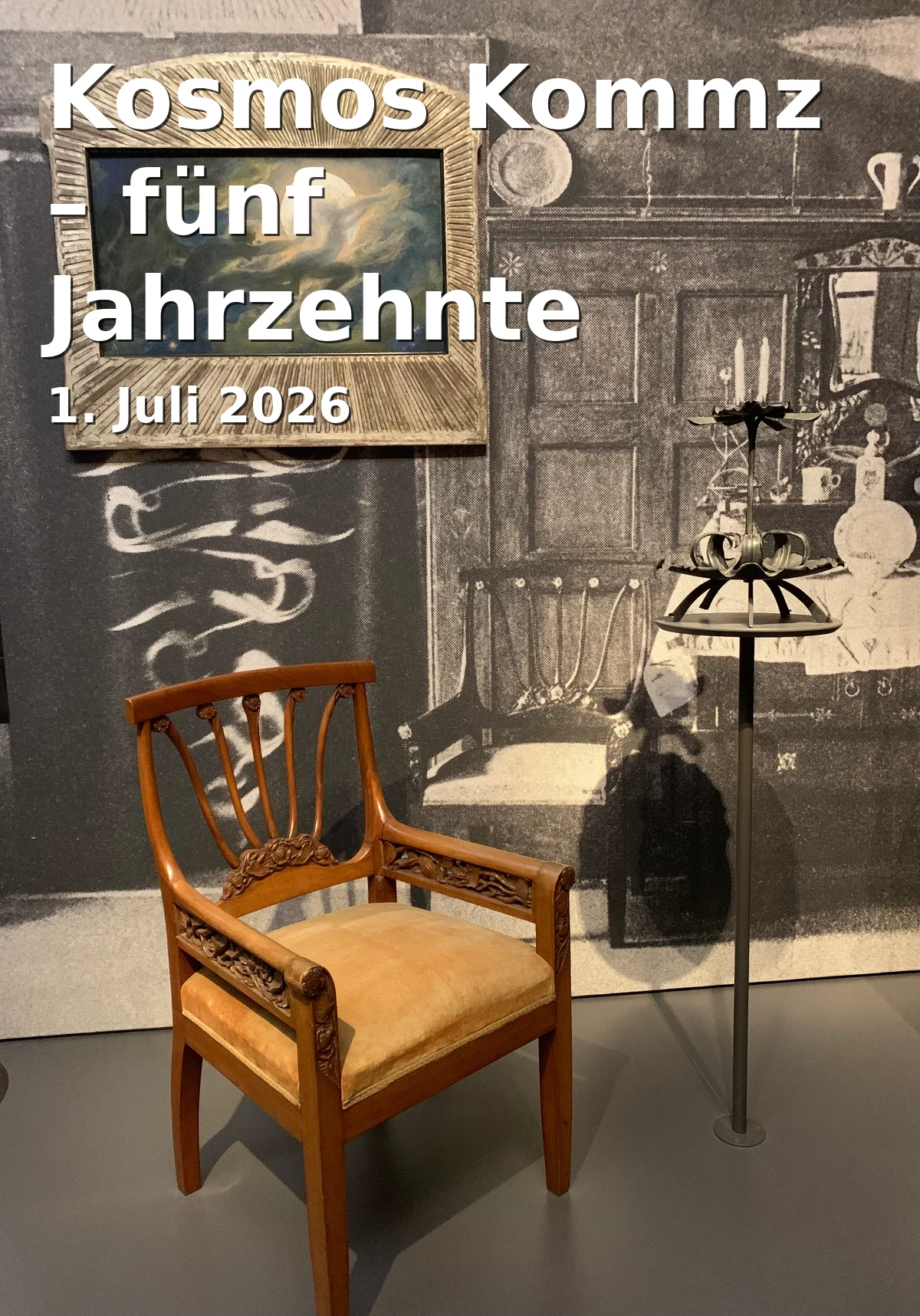
Kosmos Kommz – five decades of utopia?
Discover the fascinating development of the Kommz Festival in a free exhibition at Schönborner Hof, Aschaffenburg.
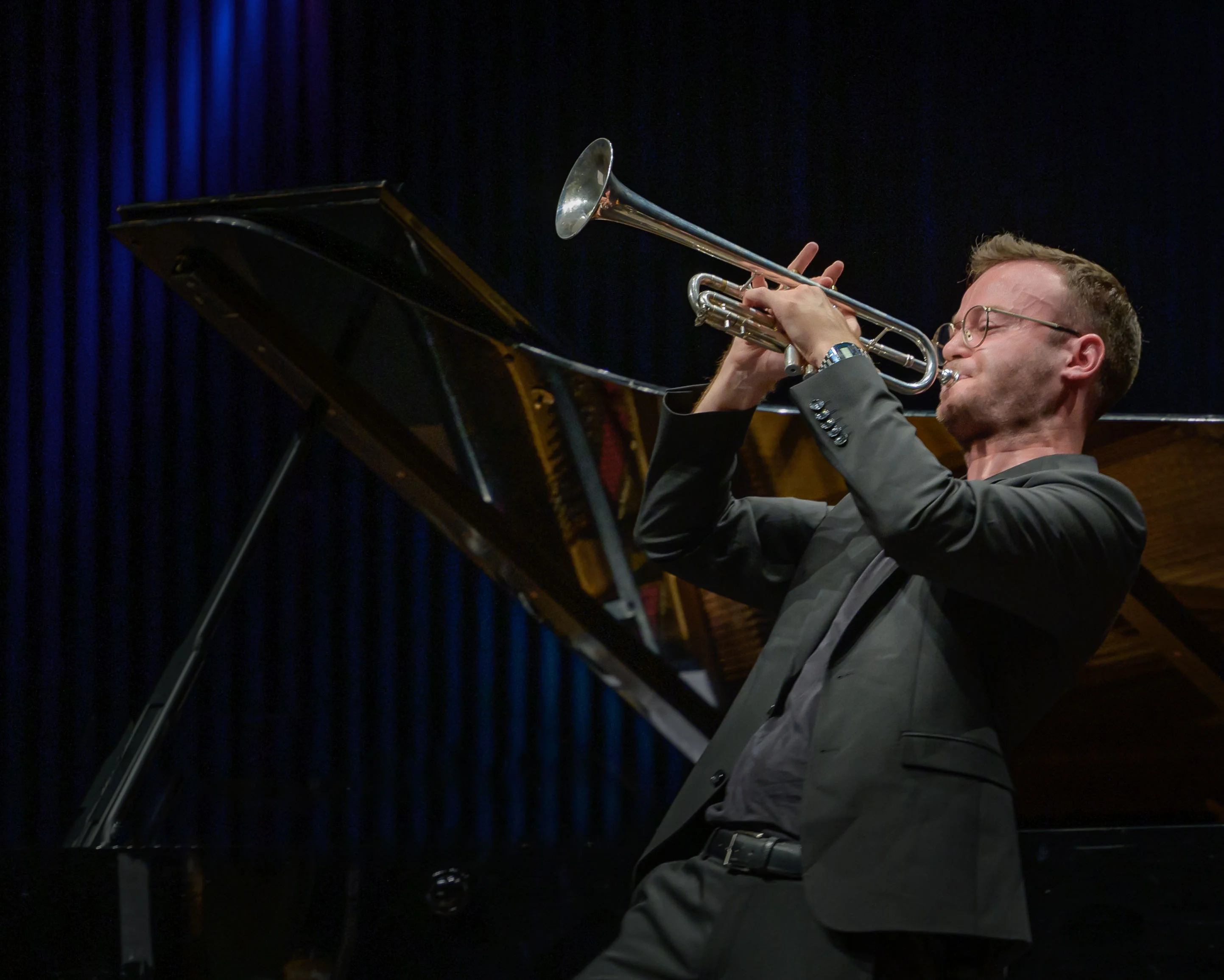
Opening of the Aschaffenburg Cultural Days
Join us for the ceremonial opening of the Aschaffenburg Cultural Days with music and anniversary "125 Years Damm".
Frequently Asked Questions
Reviews
Cookie Smith
11. November 2024
Not the biggest museum, not the most modern but a very nice surprise. Walked down there, minimal entrance fee, and two floors of interesting items right there in the middle of town where I've walked past a hundred times. The kids forgot about their phones for an hour and enjoyed looking at and talking about the things on display.
A P
3. July 2021
Quiet and very educational - my boys (10 and 12 years old) loved the mineral collection (don't miss the stones glowing under the UV light!). The stuffed animals (even initially a bit scary) and large insect collection showed how natural science was done in the past and laid the foundation of our knowledge today (aside - you can compare the size of animals in real) - Thanks to M Bittner who welcomed us at the entrance for the explanation and guidance. - REQUEST to the city of Aschaffenburg: Make a bigger sign at the building and use the potential such a Museum could have for our youth to learn about science and environment.
Dietlinde Davis
13. October 2019
Quaint old timey museum.
Samet Sen
19. January 2025
Es war toll, zwei angenehme Stunden zu verbringen. Wir haben viele Tiere und Gesteinsarten gesehen, die wir noch nie zuvor gesehen hatten. Wir lieben solche Orte und suchen nach Möglichkeiten, sie zu besuchen, wann immer es uns möglich ist.
Christian Brückner
5. May 2024
I really liked the museum. Besides the exhibited animals (birds, mammals, insects, ...), I was fascinated by the rocks. The locations where they were found in the nearby area were also described, and it's really amazing what exhibits were found there. Thank you for the warm welcome.